Sports guide
Analyzing Zone defence in Basketball Season
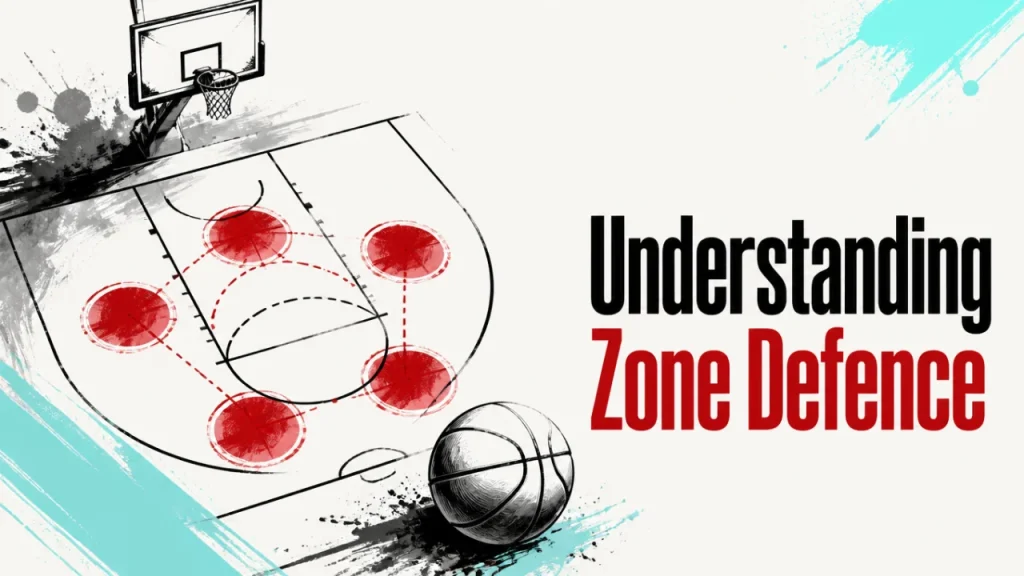
Zone defence is a fundamental strategic approach in basketball where players are assigned to cover specific areas on the court, rather than individually guarding a particular offensive player. This contrasts sharply with man-to-man defence, which focuses on individual matchups. Understanding zone defence is crucial for any basketball fan, as it profoundly impacts offensive strategies and game flow during a season.
Understanding the Basics of Zone Defence
At its core, zone defence aims to protect key areas, particularly the paint and the three-point line, by positioning defenders in a structured formation. The objective is to force offensive players into difficult shots, limit penetration, and disrupt passing lanes. This defensive scheme requires strong communication and disciplined rotations among all five defenders to be effective.
Common Zone Defence Formations
Several distinct formations are used in zone defence, each with its own strengths and weaknesses. The choice of formation often depends on the opponent’s offensive strengths and the coach’s overall strategy.
- 2-3 Zone: This is perhaps the most common zone defence. Two defenders are positioned near the free-throw line extended, and three defenders are positioned across the baseline. The 2-3 zone is excellent for protecting the paint and rebounding, making it harder for opponents to score inside. However, it can be vulnerable to accurate three-point shooting, especially from the corners.
- 3-2 Zone: In a 3-2 zone, three defenders are positioned higher, often near the three-point line, with two defenders closer to the basket. This formation prioritizes defending the perimeter and limiting three-point attempts, making it suitable against teams with strong outside shooters. Its vulnerability often lies in the middle of the paint, where offensive players might find open looks or driving lanes.
- 1-3-1 Zone: This more aggressive zone features one defender at the top, three across the free-throw line, and one under the basket. The 1-3-1 zone is designed to apply pressure, create turnovers, and disrupt offensive rhythm by trapping ball handlers. Its intensity can be a significant advantage, but it requires highly athletic and disciplined players, as it can leave certain areas exposed if rotations are not precise.
Strategic Advantages of Implementing Zone Defence
Coaches deploy zone defence for various strategic reasons, often to counter specific offensive threats or manage their team’s resources.
- Protecting the Paint: Many zone formations, especially the 2-3, excel at clogging the lane and making it difficult for opponents to drive to the basket or score close to the rim. This is particularly effective against teams that rely heavily on interior scoring.
- Limiting Foul Trouble: By guarding areas rather than individuals, players are less likely to get isolated in one-on-one situations, which can reduce the number of personal fouls committed. This is crucial for keeping key players on the court, especially during critical moments of a game.
- Controlling Offensive Pace: Zone defence can slow down an opponent’s offence, forcing them to pass the ball around more and consume valuable shot clock time. This can disrupt fast-break teams and allow the defensive team to dictate the tempo.
- Masking Defensive Weaknesses: If a team has players who are not strong individual defenders, zone defence can help mitigate these weaknesses by providing collective help and covering for each other’s deficiencies. For example, a slower defender might still be effective in a zone by holding their assigned area.
Potential Weaknesses and How Offences Attack Zone Defence
While powerful, zone defence is not without its vulnerabilities. Smart offensive teams develop strategies to exploit these weaknesses.
- Three-Point Shooting: As mentioned, zones can be susceptible to good outside shooting. If an opponent can consistently make three-pointers, it forces the zone to expand, creating openings inside.
- Penetration and Kick-Out Passes: Driving into the gaps of a zone can collapse the defence, opening up opportunities for kick-out passes to open shooters on the perimeter. The key is to force the zone to shift, creating temporary advantages.
- High-Low Action: Placing a strong offensive player at the high post (free-throw line area) and another at the low post (near the basket) can be very effective against zones. The high-post player can catch the ball and either shoot, pass to cutters, or feed the low-post player, who often has a size advantage.
- Quick Ball Movement: Rapid and precise passing can disorient a zone defence, forcing defenders to constantly shift and leaving them out of position. Overloading one side of the court with offensive players can also create temporary numerical advantages.
- Offensive Rebounding: Because zone defenders are focused on guarding areas, they might not be as effective at boxing out individual offensive players for rebounds. Aggressive offensive rebounding can lead to second-chance points against a zone.
Analyzing zone defence in basketball season involves understanding its strategic intent, the specific formation used, and how offensive teams attempt to counter it. It’s a dynamic aspect of the game that showcases the tactical chess match between coaches.
Related reading: upcoming game schedule.
AI-generated illustrative image. It does not depict a real match.